
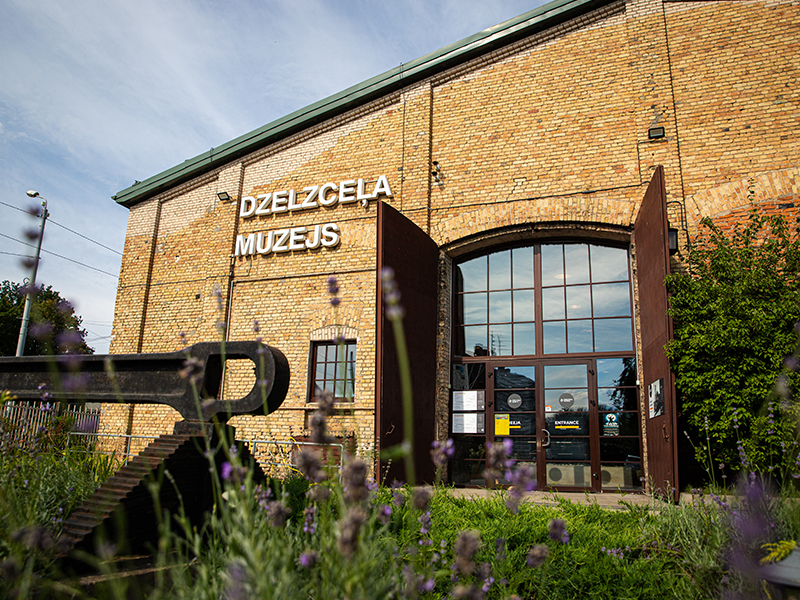
Uzvaras bulvāris 2A, Rīga
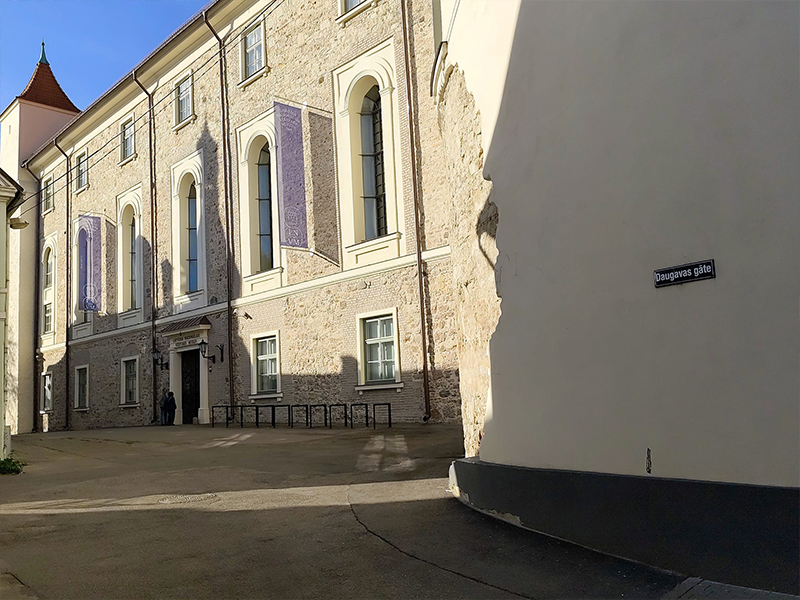
Rīgas pils, Pils laukums 3 (no Daugavas gātes)
+371 67 221 357
The museum invites you to learn about the history of Latvia from the Stone Age to the present day. The excursion takes place in a specially equipped study room ‘Izziņas bēniņi’ (Knowledge Attic). The participants learn history not only by listening to the guide's narration, but also by tactilely getting acquainted with objects from different eras. Audio descriptions help to understand different historical periods.
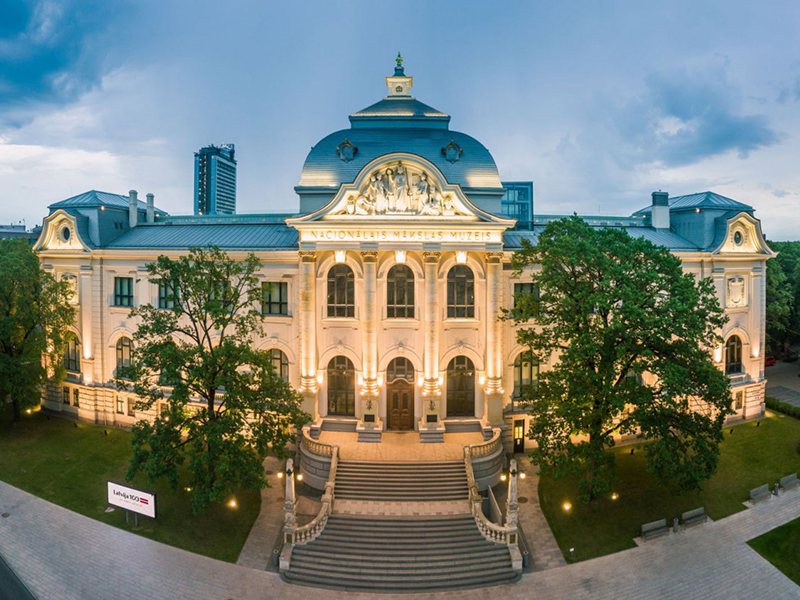
Jaņa Rozentāla laukums 1, Rīga,
+371 67 324 461
Audio descriptions of individual works of art are available on the website and mobile app of the Latvian National Museum of Art. Upon prior request, you can go on a guided tour ‘Exploring the exhibition with a guide: feel and hear the art’. The tour includes audio descriptions of works of art and tactile materials to get acquainted with the museum's permanent exhibition "Art of Latvia. 19th-20th centuries".
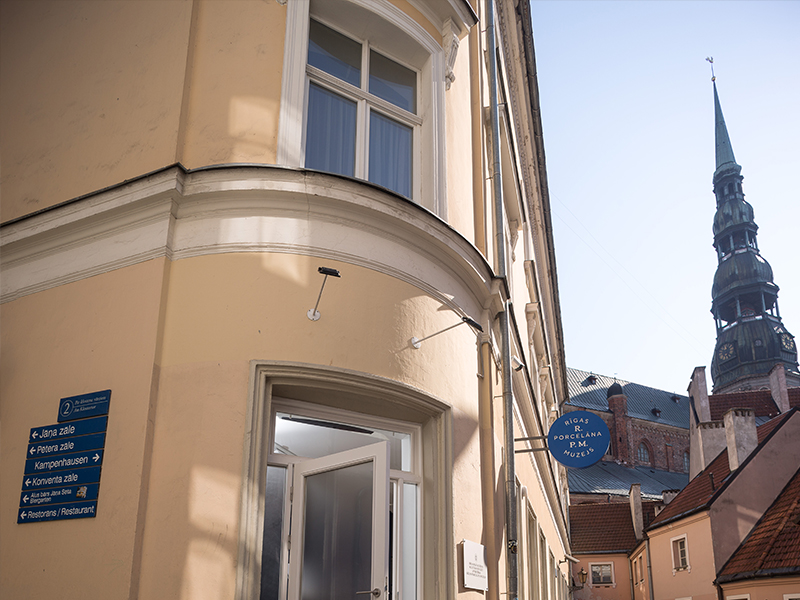
Konventa sēta, Kalēju iela 9-11, Rīga
+371 28 331 971
The museum’s “Workshop of the Senses” introduces porcelain materials, ceramic colours, tools, decoration methods, and production stages, combining history of world and Latvian porcelain with multisensory learning. Theory alternates with hands-on tasks and is complemented by the tactile album “Touch the Porcelain”.
Āraiši, Drabešu pag., Cēsu nov.
+371 25 665 528
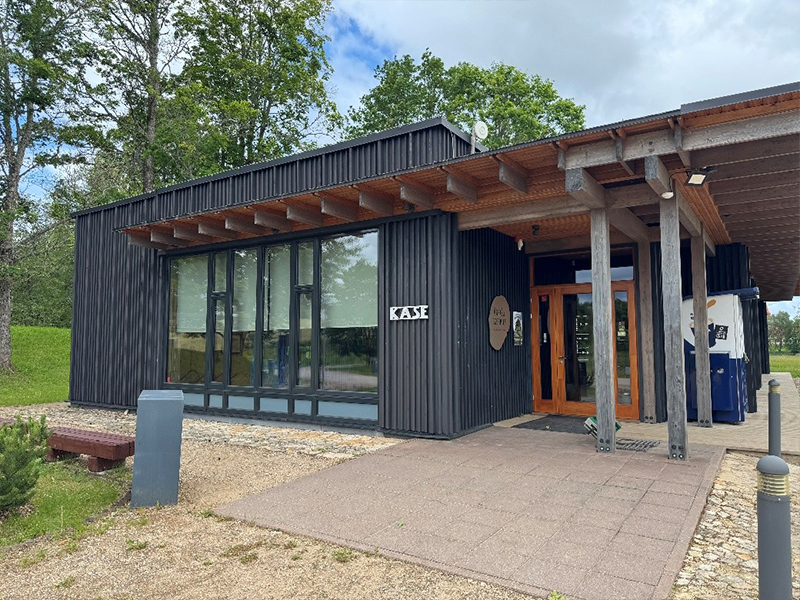
In the territory of the archaeological park of Araišuzezerpils, near the objects accessible for inspection, there are information stands with Braille and tactile images of the plan of the lake castle and the medieval castle. During the tour there will be an opportunity to touch various archaeological artefacts and listen to a story about them.
Kalna iela 6, Bauska
+371 63 960 508
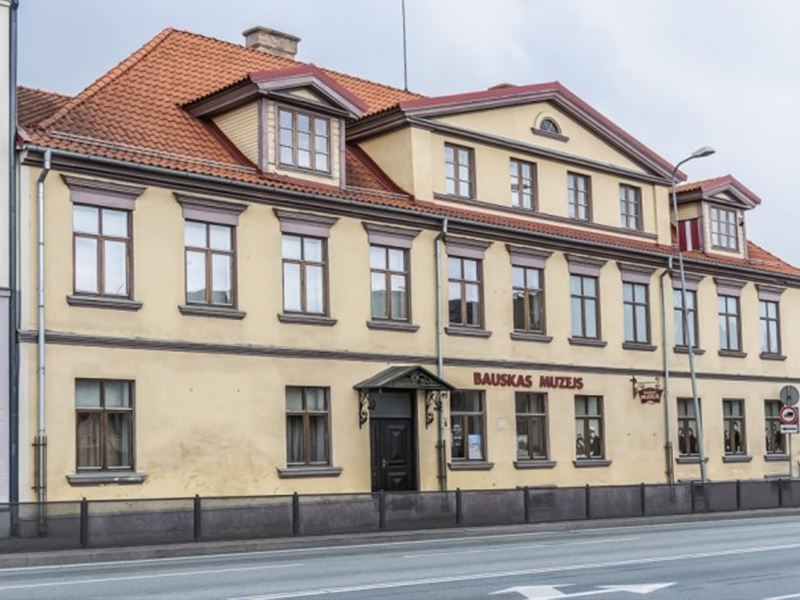
The museum offers visually impaired people an insight into the history of Bauska in the guided tour ‘Bauska in Time and the People of Bauska in the 20th Century’. Historical objects, sounds characteristic of that era, musical instruments and audio descriptions through touch, hearing, smell and storytelling reveal the daily life, events and bustle of the 20th century in Bauska in shops, workshops and dwellings.
Sporta iela 2, Indra
+371 20 266 514
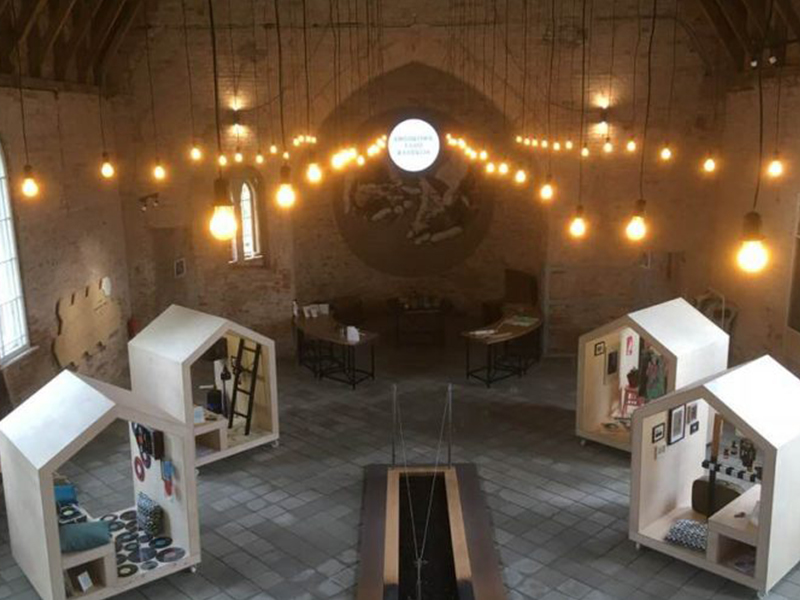
For visually impaired people, the Museum of Happiness in Indra has created a special exhibition ‘Invisible Happiness’. During a visit to the exhibition, visually impaired visitors use an audio guide to independently familiarise themselves with the history of the museum and the proposed paths to happiness, as well as to creatively make souvenirs as keepsakes. The museum is also equipped with a tactile map, which makes it easier and more convenient for visually impaired people to navigate the premises.

Loading...


